Written by Sara Baban
Illustrated by Aaina Saini
It’s March 20th, 2003. Former President Bush announces on live television that the USA will be invading Iraq. Removal of a ruthless Machiavellian dictator. Weapons of mass destruction. The promise of democracy. After missing a final deadline to leave his country, airstrikes hit Baghdad. Within days, the regime is toppled, and Saddam is ousted. Iraqis erupt in joy, full of gratitude to the Americans.
Saddam’s two-decade reign of terror — characterised by countless wars, genocide against Kurds, persecution of Shias — was seemingly coming to a swift end. Iraqis all across the globe nervously watched the unprecedented events unfold. For once, there was a glimmer of hope. Hope for those who were tormented by a dynasty with an insatiable appetite for death and terror. We hoped for democracy, for Kurds to be free, and for a fresh start. A country ruled by the people, not by a totalitarian government and an AK-47.
Happiness and gratitude to the Americans was short-lived. The so-called ‘promise’ of democracy metamorphosed into a decade-long civil war, sectarian violence and the emergence of ISIS; all of that left Iraq a shell of what it once was. One million died at the hands of American and British troops. The dream of freedom was ripped from the suffering hearts of the Iraqis as quickly as it was given. Kurds, Shias, and Sunnis did not get the freedom they were promised; their oppression simply took on a new form.
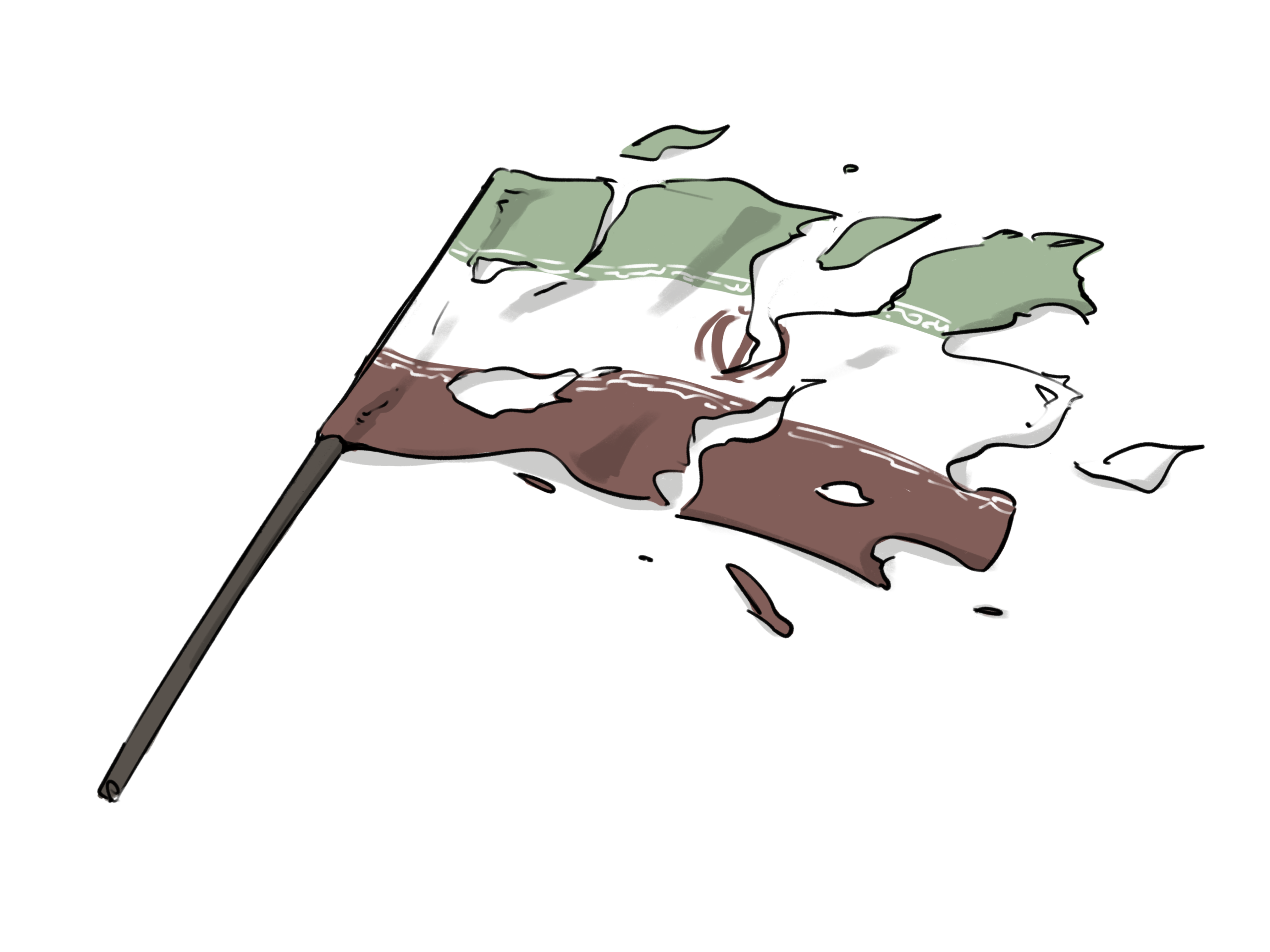
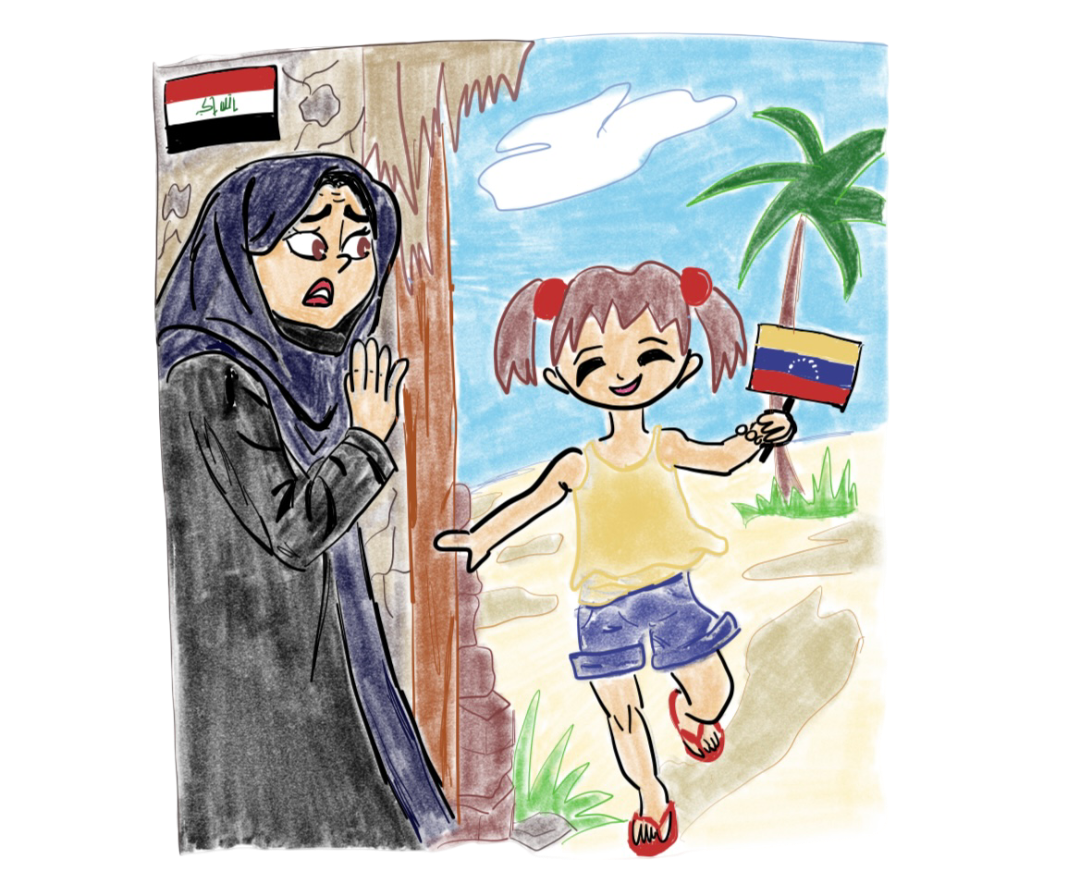
Now, it’s January 3rd, 2026. Trump announces Venezuelan President Maduro’s capture as the US bombs Caracas. The parallels are uncanny. As Venezuelans celebrate the ousting of their dictator, Iraqis watch from afar in fear.
As a member of the Iraqi-Kurdish diaspora myself, it’s a cruel paradox, tasting the sweetness of freedom from a hand that will eventually suffocate you. Venezuelans, just like Iraqis, immediately saw the fall of their dictatorial regime as a victory. An end to torment. An end to economic struggle and repression in Venezuela. We also praised the Americans, though we lived long enough to regret every single word.
The Bush administration created a propaganda machine that illustrated themselves as the international moral police force, spreading democracy to the developing world. A move that simply masked the reality of their self-interest.
Today, the American media is a mirror image of this. The same chemical weapons threat of WMDs, reused and repurposed into the chemical weapon threat of Venezuelan fentanyl. The manufactured Al-Qaeda threat of Iraq, transformed into Venezuela becoming the ‘Al-Qaeda of the American hemisphere.’ The ambition to ‘transform the entire region,’ to provide ‘democracy and freedom.’ For America to be the beacon of light in the shadow of darkness under Hussein and Maduro.
Venezuela doesn’t produce fentanyl. No weapons were discovered in Iraq. This is the same script of Western propaganda, repurposed for the next country of interest. We are being fed lies.
Hussein and Maduro have one thing in common: they were no puppets to the West. America openly endorsed Maduro’s opposition, Juan Guaido, in 2019. Saddam’s invasion of Kuwait and the outbreak of the 1991 Gulf War put Iraq in direct fire of the West — one that led to the Second Gulf War as we know it today.
Let us not forget that Venezuela has the world’s largest proven oil reserves. President Trump’s thirst for oil in Venezuela came as no surprise to any Iraqi, staring down at the government that looted over $17 billion of Iraqi oil, and upwards of $868 million in gold. Till now, multiple American companies have stakes in Iraqi oil. The difference between now and 2003 is that now the American intention is clear, out in the open. It’s for oil, for control, for security. Venezuelans, does this not concern you?
March 2003 enabled the US to ensure Iraq stayed weak, exploiting their resources and establishing a weak, divided system in the name of ‘democracy.’ All with one intention: to preserve their power in the region and the wider globe. A classic tactic of the Western imperialists.
Before the crippling sanctions in 1990, Iraq was prosperous, with an economy driven by one of the world’s largest proven oil reserves carrying much of its wealth. It was a country with a prosperous middle class and had one of the highest educated populations in the MENA region. Yet, simultaneously, there were many that faced persecution and suffering.
However, since 2003, Iraq has suffered more, arguably worse than ever before. While there is evidence of slow regrowth, Iraq pre- and post-2003 are the antitheses of one another. An initiative under the guise of peace brought nothing but further agony.
With comparisons of Hussein and Maduro flying all across the globe, Iraqis hold their breath in anticipation for the future to unfold. Almost out of second-hand embarrassment, a wave of foreboding washed over us all. A silent breath of realisation, ‘we’ve heard this story before.’
Yes, it is positive that an illegitimate dictator is being removed from office. But if violation of international law is the cost, then it is not justice.
Iraqis greatest concern is Venezuelans being blinded by the momentary euphoria of so-called freedom. Venezuelans, we understand you. But we beg you to see that you are a mere pawn to the US, one that will be used and abused, and exploited for your resources. Iraq is a living example of the same circumstances.
A world order characterised by American hegemony and imperialism is one that poses a threat to all countries, not just Iraq in 2003 and Venezuela today.
At times of grave uncertainty, one thing is clear: Venezuela is headed in a downward spiral. The promise of ‘democracy’ hung over Iraq like a cloth over a corpse. A conflict driven by a lie spiralled into years of sectarian violence, instability, and destruction. While Venezuelans cheer with the hope of a Maduro-free future and potential prosperity, Iraqis like myself can only watch in pity. If it’s freedom through American intervention, is it really freedom? Or a continuation of American imperialism?
Is it really freedom if the only thing changing is who is in control?