Written and Illustrated by Jessica Chan
From the highs of fanfiction to the lows of TikToks discussing power scaling, more and more people seem to be interfacing with things that once made other people outcasts. Now, “nerds” have social cachet from being early adopters of now ‘mainstream’ media, and fandoms are getting an influx of new blood they seem unequipped to deal with: conventions are more crowded than ever, influencers are posting “Get Ready With Me”’s for Renaissance fairs, and the Democrats’ TikTok account posted that the “streets are saying if you vote blue AO3 will come back”. The phenomenon may not be new, but it is certainly at a scale bigger and more abrupt than anyone could’ve expected.
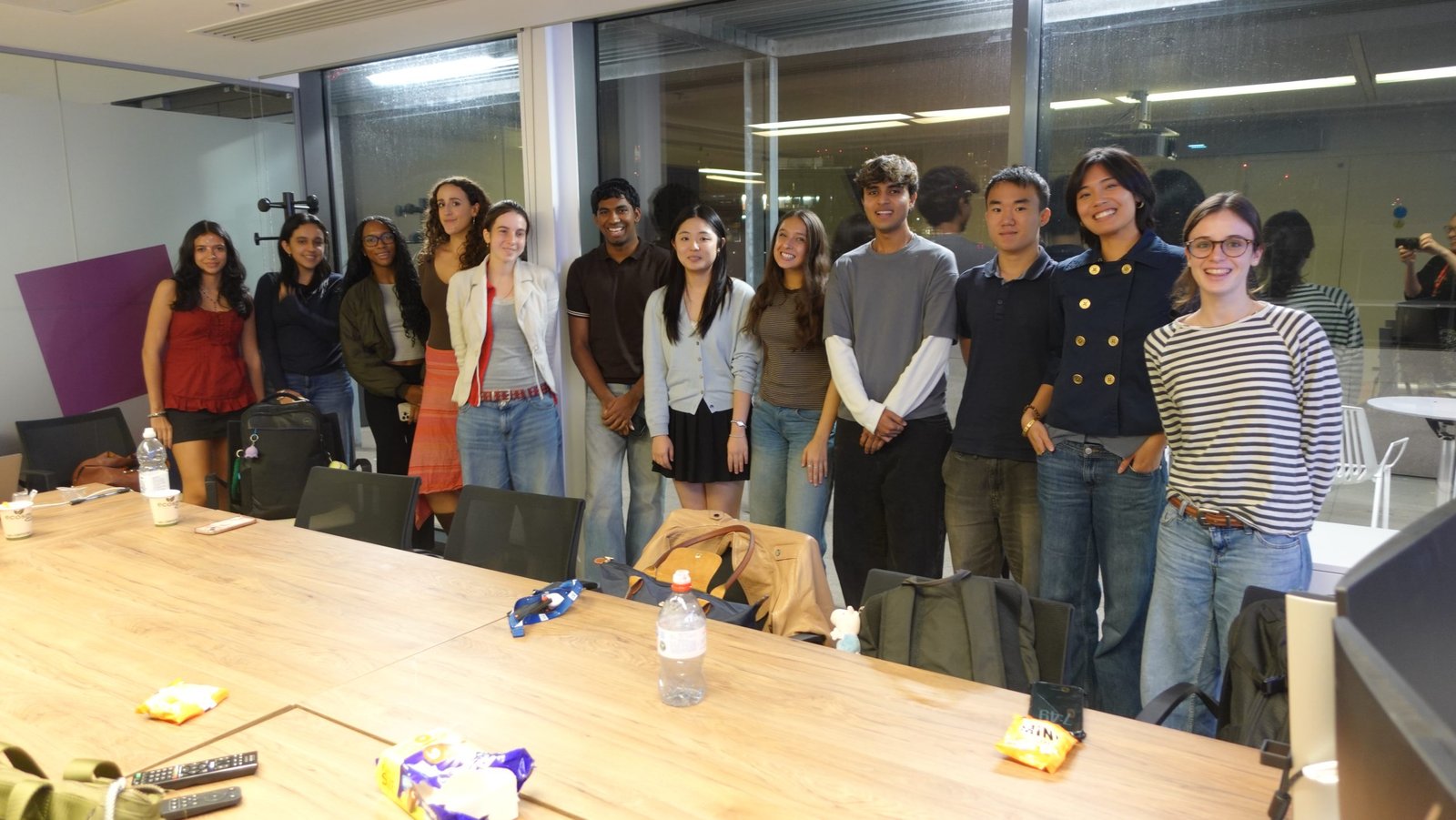
Larpers, posers, normies, tourists, bandwagoners, the list of words to describe new fans seems only to grow longer. And with “performative” culture being at its most socially relevant now, people seem to be at their most wary of new fans… or are they? I spoke with Serena, Rua, Paulina, Ryan and Liz for their thoughts on the issue and their experiences within these spaces to find out whether we should be welcoming this new influx of people or not.
COVID-19 as the Turning Point
COVID-19 is widely accepted to be a period where a lot of “new gen” fans joined nerd culture, seeking community during lockdown. Namely, East-Asian media seemed to sprout as the winner of the culture war. From K-Pop, to C-dramas, to (perhaps the clearest winner) anime, everyone turned to online spaces to discuss their latest obsession.
The variety that people have access to seems to grow every day. But this is also helped by a lower barrier to entry. For instance, the image of nerdiness as a masculine trait has gradually eroded away with the rise of ‘girl gamers’, ‘cozy/casual games, and with (young) women at the helm of creative fan spaces— even in the genre that translates literally to ‘young boy’ (shounen), women are recognised by many as the reasons why these shows get popular.
Arguably, the influx of new fans during COVID-19 is fundamentally different from the acceptance of other established nerdy subcultures like superhero comics, fantasy, and science fiction. Whilst the latter was popularised by the influence of prevailing media from the genre (e.g. Lord of the Rings, Marvel & DC), the former sprouted from a mass of people who once looked upon it with indifference (or distaste) seemingly changing their minds.
What people once called kino, some now call ‘tasteslop’, or ‘absolute cinema’. Not too long ago, people used to look down upon people who played video games, and now it seems as if everyone has experience with the more mainstream titles like Mario, Minecraft, Roblox or even Among Us. Children are now growing up with a social standard to play video games, though this does not necessarily enter them into the “insider” crowd automatically.
Gatekeeping & Elitism
The YouTuber videogamedunkey has a satirical video named “Gamer Cred” which touches upon this idea of “fake” gamers and what makes someone an “actual gamer”. The more of a “classic” that a game is recognised as, the more “cred (credit) per minute” it generates. It’s a funny concept that people have subconsciously within themselves, but I think the video touches upon a great point that the more varied your media palate, the better your taste will be— much like real food. Similar to your credibility as a food critic, the more diverse your experiences, the more respected you are in the community.
Now, it seems as if even the rich and famous are vying for the money that the video game industry seems to print, or they also seek to have “gamer cred” in today’s climate. From Elon Musk pretending to be a professional at Path of Exile, to Will Smith making a Genshin Impact ripoff, wherever the masses go, there’ll be vultures flocking (and cheap Chinese labour, IYKYK*). Rua complained that because of the growing number of fans there is increased capitalisation on them. Content that used to be free is locked behind paywalls, and the tokenisation of chapters has become a growing issue for fans of novels, webtoons, manga, etc.
In my experience, the anime community in particular was asinine about drawing the line between real and fake fans. You were a ‘casual’ unless you had over 100 shows logged on your MyAnimeList (a dated rating website, often abbreviated to MAL), and you didn’t have taste unless you had obscure shows in your favourites. They justified gatekeeping with elitism, and your ratings put your credibility as a fan on the line. Paulina expressed that these people overreacting to the newer fans “spoiled fandom culture more than the people joining fandoms themselves” because of their toxic “cliquey” nature.
Paulina believes that gatekeeping is a form of backlash from these older fans who “couldn’t handle that their niche interest became mainstream” as they were entrenched in the idea of being an outsider, but is it wholly unjustified? Some people see this backlash as necessary, seeing that the younger (not always by age) fans tend to be repeating issues that were solved by the implicit rule of “don’t like, don’t engage”. Rua speaks on this by mentioning the increased desire for censorship in the artist community by the newer fans, which Serena also speaks about in the context of people complaining about “problematic content” on AO3 (a popular fanfiction website), not understanding that the point of a community is not to police each and every piece of content to your own liking. Curating your own feed seems to be a learned skill that people have forgotten, and a growing group of people now engage with the content they dislike with hateful comments instead of blocking or ignoring it.
An argument for gatekeeping often stems from the idea that these “tourists” inflate the ratings of the media that they consume. Ryan personally expresses his outrage to me about MAL ratings frequently, disgusted at the fact that newer shows like Jujutsu Kaisen and Demon Slayer get higher ratings than older classics like Angel Beats and Anohana. Rua notes that a lot of the criticism towards these new fans can be summed up by the sentiment of “I bet you haven’t watched XYZ”, where their opinions get discounted by their briefer watch history. After all, if you’ve never had a Michelin-star meal, how are you supposed to know that the chain restaurant you keep going to is bad?
Undeniably, there is a toxic culture between the ‘real-ball knowers’ and the ‘larpers’, but the warmth of community manages to keep people invested despite “the horrors” that Paulina notes. Rua, an avid participant in fan-curation circles, has been through the trenches with “shipping wars” and the obsessive nature some fans have over their favourite shows/characters, but the benefit of more people getting interested means having more content of said favourites. Serena spoke of AO3 extremely positively, saying that there is a “tacit culture of support” that encouraged her to publish her infamous work in the X-Men community, saying that since authors write and publish for free, readers know to give back. However, Serena also notes that new fans “misunderstand the point of community-sourced and -run fandom spaces”, that fandom is “creation for the love of the game” and publishing free content will not guarantee monetary payment. With an emphasis on artist/creator’s rights within these communities, it seems natural for this progression to have occurred
Enjoy Everything
It seems that there is a consensus that the main issue with new fans is the imposition of their values and cultures onto pre-existing ones that have been around for much longer than they have. The discourse that circulates between these nerdy spaces seems to be rehashing topics already discussed at length, and the lines between what is mainstream and nerdy are getting blurrier each year. Ryan notes that “everything is nerdy as long as you get deep enough into it”, and I agree. There is a joy in the ability to “flex” now that people find value in these niche interests, and being able to explain to new fans is something that he says “tickles his little narcissist neurons”. I would like to end this with the tagline of my favourite manga Yotsuba&, that people should “enjoy everything” and gatekeeping is unnecessary but rather an acceptance from both sides of each other’s traditions and cultures is the way forward.
*Elon hired “gaming mules” to boost his accounts in Path of Exile 2 and Diablo IV. Them being Chinese is popular speculation. Will Smith’s game Undawn was developed by Lightspeed Studios and published by Level Infinite, the international branch of the Chinese company Tencent.