Written by Tara Lenard
Illustrated by Jessica Chan
The credits started to roll. I leaned back into what felt like an undeserved comfort: that red velvet cinema chair pillowing me with an overwhelming luck to be sitting there and then. As an avid believer in the power of visual storytelling, Mr. Nobody Against Putin was a documentary that captured everything this medium is about: confronting and learning from subjectivities outside our own.
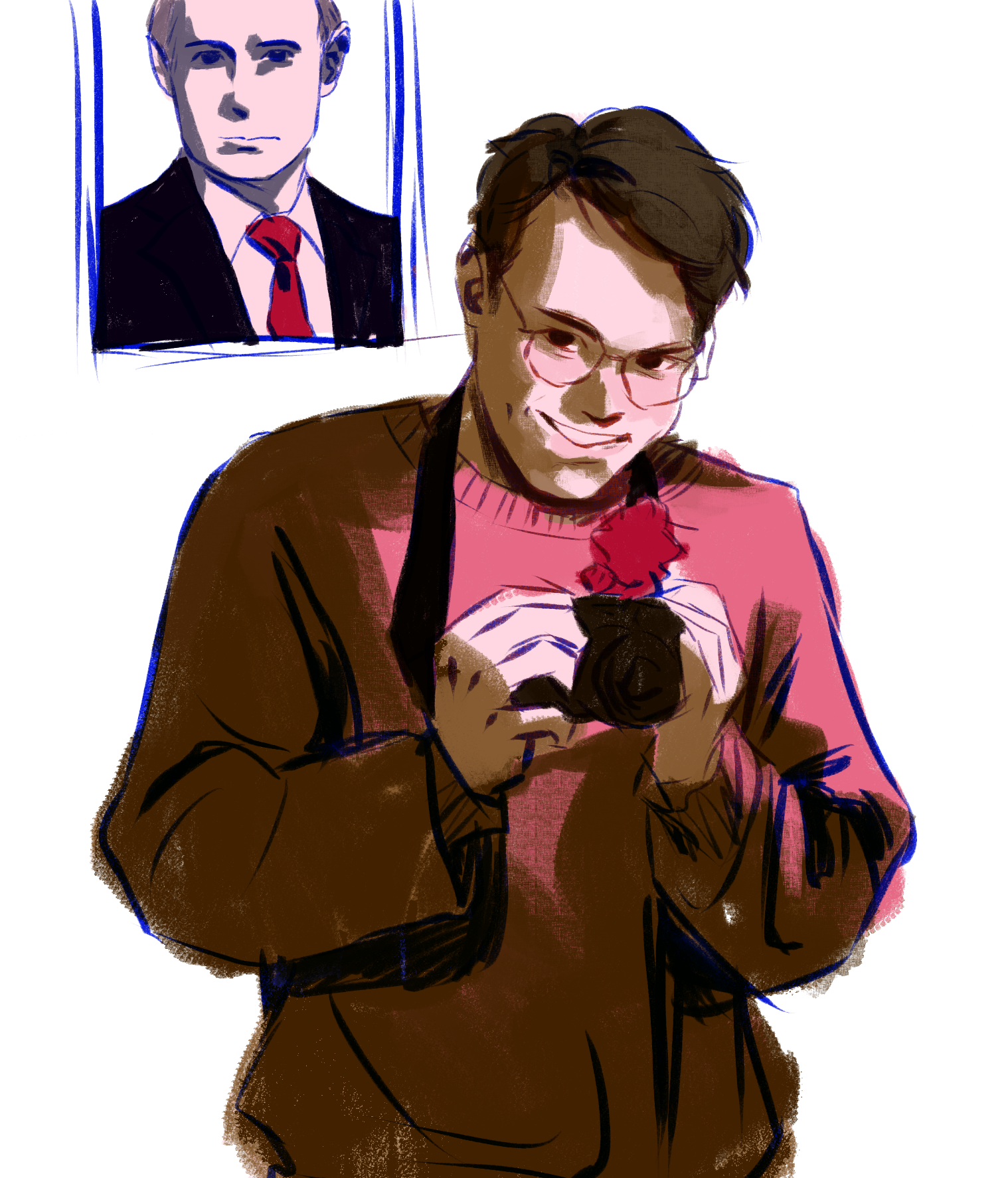
The film pieces together two years’ worth of recordings by Pavel (Pasha Talakin), the videographer and school events coordinator at a primary school in Karabash—a rural town in the deep hinterland, most famously known as the Earth’s most polluted town. However, the sheer love, cheerfulness, and enthusiastic sense of spirit that Pavel captures in his students opens the picture with a warmhearted reminder that setting doesn’t determine the need for human connection. Pasha performs his role with duty, creating a sense of family with his students, offering them a safe space to unleash the confused enthusiasm of their formative years.
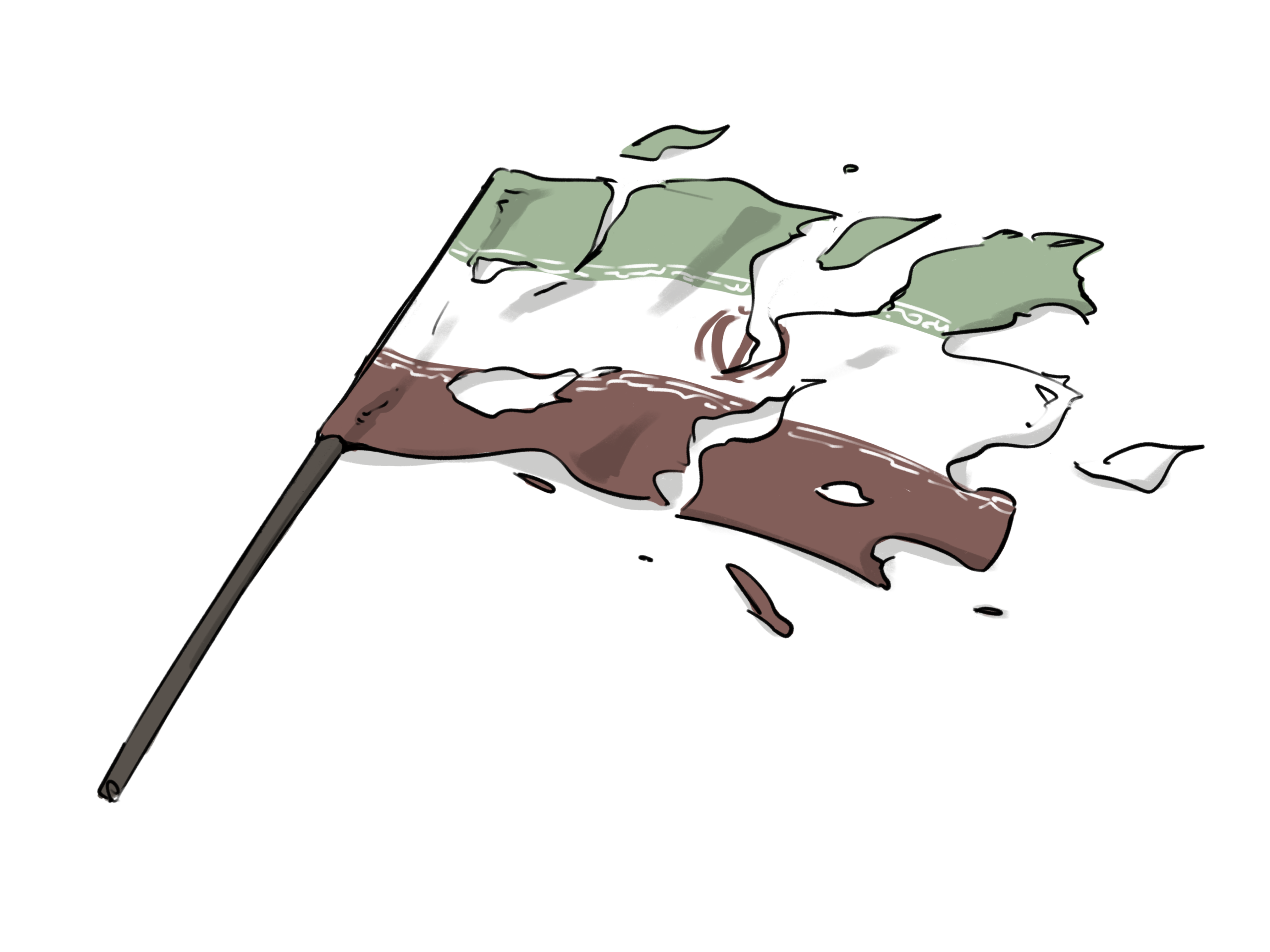
Then the footage changes dramatically. From the rosy insight into youthful joy at his school, to showcasing the state-led propaganda overwhelming the daily experience of his students. As the militarization of Russian schools following the war against Ukraine seethes into everyday life, Pavel’s camera clenches at this grim sway towards tyranny; the film showcases firsthand the depraved corruption of a space that was supposed to educate, protect, and prepare the young minds of tomorrow. As the Kremlin’s directives escalate, we see how the teachers are forced to recite scripts of alternate history, nationalist praise, and sideline educational activities for state-enforced propaganda through Pavel’s lens. Caught between their duty and the directives of the regime, the integrity of their job is compromised.
Showcasing the prismatic effects of war and how it cuts into every aspect of people’s lives, one of the most heartwrenching segments includes an audio recording from a soldier’s funeral. A black screen with nothing but the cries of desperation from a mother calling out for her fallen son.
It is a daring piece where his own life and security are on the line, and as the movie progresses, so does the audience’s internal pleading for Pavel’s continued safety. This documentary is brilliant and utterly important as a testament to the camera as a device of resistance. What is clear is that conforming was not an option for Pavel from the sense of urgency—of necessity. Pavel knew this was simply something he ‘had to do’, and one never questions the sheer love Pavel has for his students as what motivates his resistance when watching.
The voiceover blends hints of sarcasm into the narration with a playful editing style, etching out further the dramatic corruption of innocence the students were subjected to.
What struck me the most is the quasi-historical quality that I felt as a viewer. This was something I had studied in hardcover books, but what this film reminds us of is how propaganda is not a word reserved for the past. Neither is war. It is a film of the now. Most importantlòy it sheds light on the privilege of being merely a spectator of war. We must look beyond the digitalised fog of war, beyond the changing raison d’etre of information circulation by which over a morning coffee, one scrolls from Israeli missiles blowing up a hospital to a 30-minute risotto recipe that we simply must try. What this film does so brilliantly is refocus our attention onto the need to go beyond mediatised passivity, and engage with necessary storytelling with the required empathy and recognition of immediacy.
If the title of the film dubs him as ‘Mr Nobody’, it is but an ironic foil to the idea that he produced something indelible and fantastically crucial for everybody.