By Willow Imam
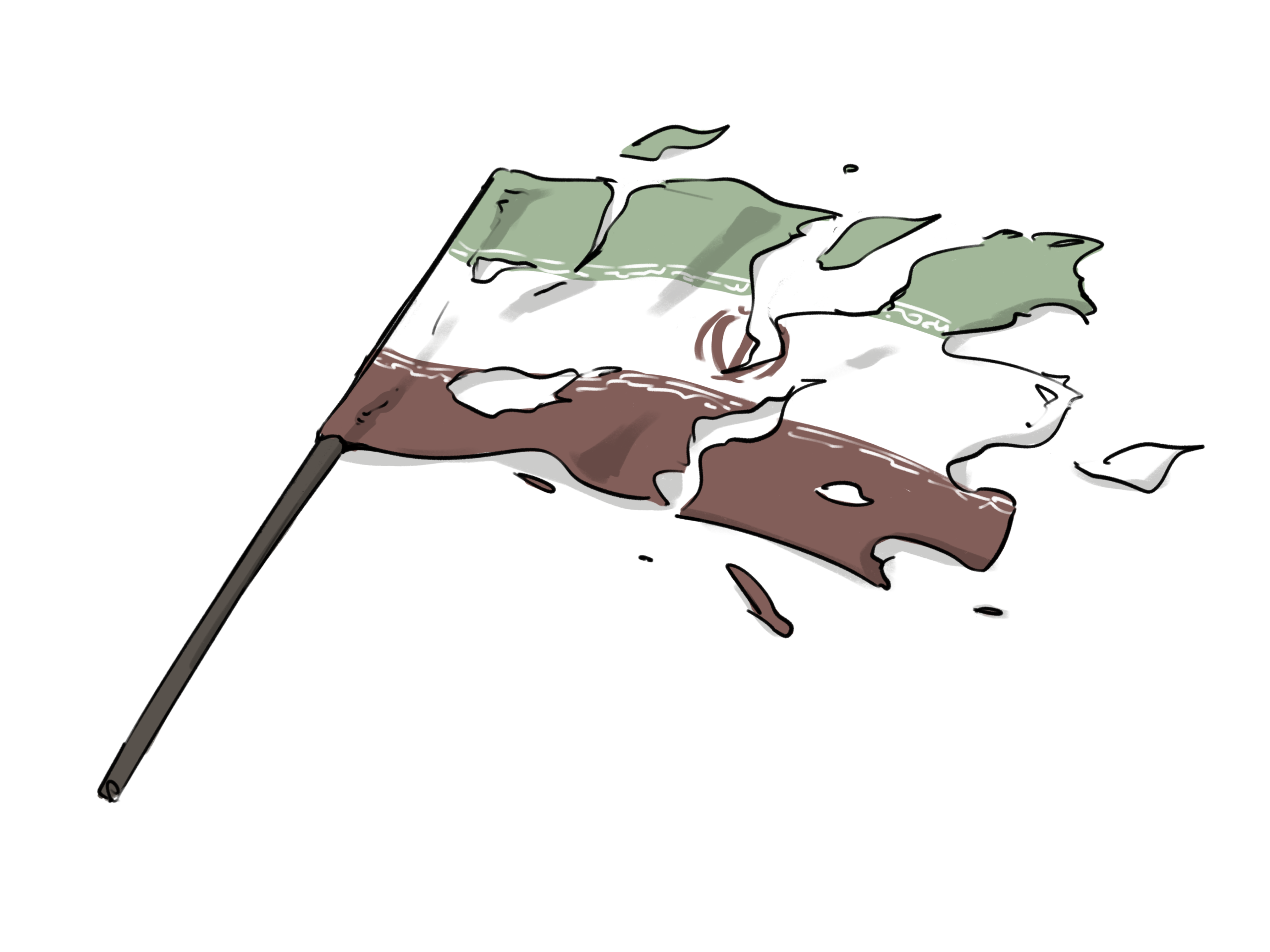
For over a hundred years, there have only been either Labour or Conservative-led Governments and for most of that time, there has been little question that they would continue to be the two most dominant parties in the British political system. Particularly, the Labour Party has been the most popular party among young people in every Yougov poll this decade until about a year ago, when they plummeted by 25 points. Today, they stand at second among young people, trailing more than 30 points behind the Greens and losing a seat to the Greens that they had previously taken with more than 50% of the vote in 2024.
Why are these young voters leaving Starmer, and can he win them back?
To capitalise on the active and diverse political community at LSE and understand the view from both sides, I spoke to some former Labour supporters — Tori (a “tentative” Green supporter) and Olly (a proud Green supporter) — as well as the Head of the LSE Labour Society, Aden.
It’s important to note that, unlike many of the previous analyses, the political emigrators I spoke to were, at some point, “attached to the Labour Party”: one described having been raised in the Labour Party and “crying at the results of the 2019 election during P.E. class”. So why are these people, who once strongly identified with Labour, leaving them?
However, they were seemingly still Labour voters out of necessity: with few other progressive parties that had a chance of forming part of the government, these progressive voters flocked to Labour as the only real option for change. Or, as Tori put it: “There are two sides, pick the one that would pick you.”
Because of the necessity of voting Labour, they have disagreed with many of their policies, especially under Starmer. This growing difference laid the foundation for their abandonment of the party, especially as the Greens, who they feel more closely aligned with, have become more politically feasible.
They highlighted multiple key areas on which they felt the Government had alienated them and mirrored right-wing rhetoric, on some occasions even becoming, as Olly phrased it, “Red Tories”: this is especially evident in Labour’s policy on trans people, immigration, and the “genocide in Palestine”.
Additionally, they couldn’t trust those policies that they conceptually supported, believing that they were likely going to be U-turned on — such as Olly, who had little faith that they would genuinely abolish the two-child benefit cap long-term. Tori highlighted that some policies seemed purely performative, such as the push to lower the voting age, which she felt lacked the corresponding political education to support it.
Overall, this Government does not often agree with these voters and has not built up enough trust for them to support the policies where they do agree.
This is compounded by a leader whom they did not particularly care for, ranging from apathy to disgust. Tori described Starmer as “adequate, but not groundbreaking” and “not very forthcoming on any particular stances”, referencing the politically cautious Burr from Hamilton. Alternatively, Olly summed him up in three words: “spineless, cowardly, dull”, holding no views of his own and doing whatever he can to appeal to donors and those on the right.
Whereas the ex-Labour Party members took genuine issue with many of Labour’s policies, Aden believed that the Government was simply not communicating enough about what it was doing well, such as reform of NPPF to build more houses, thereby creating a sense of “drift”.
Although differing policy preferences were a large factor, the ex-Labour Party members were able to name multiple policies that they agreed with, such as lifting the tax exemptions from private schools and abolishing the two child benefit cap. The reason that these did not keep them from leaving was because they also took issue with the culture of the party: the constant U-turns, the usage of right-wing talking points, the unwillingness to take firm stances. For them, it is not simply a matter of better policies, but a change in the behaviour of the party that is required.
When asked why the Green Party is so attractive to young people, Aden argued that they could “make promises without the weight of governing” and that, if their policies were implemented, “the UK’s service economy, and the graduate opportunities that depend on it, would be at serious risk.”
In response, Olly argued that there are a great number of Green policies that could improve the lives of young people (“higher taxes on the super rich, free tuition fees, and improving wages for workers”).
This is not to say that those who have stayed in the party are entirely uncritical. Aden, in reference to the Mandelson scandal, stated that “what we already know is damning enough, and this should never have happened”, adding that “the appointment was a serious error of judgment”. However, he stopped short of arguing that Starmer should resign because of it, saying that “it is right that Morgan McSweeney has left Downing Street” and that the “government must reflect” on its actions.
The two groups do, however, diverge in whether they believe that the party can be changed. For Aden, his view of Labour is that it is “bigger than any one person, any one scandal, or any one period in government” and that it is his job as a member “to push the party to be better, not to turn [his] back when things get tough”.
To the others I spoke to, the Party is too far removed from its base for voters to exert any real influence on its politics — Tori said that she had little faith in someone she’d vote for becoming Labour Leader, as the “billionaires funding and donating to the main two parties have more of a say in politics than the electorate ever will”.
There is also some difference in the vision of a Labour Party that each of the former supporters said that they would be willing to come back to. Tori, although not hopeful, believed that the party could win back her support with a more progressive leader and policies that “go back to their roots of being for the working man.”
On the other hand, Olly sees no such scenario — to him, the Green Party is free of all of the “divisive rhetoric, the dull leadership, no firm policy or ideas” that led him to leave the Labour Party, and he feels no need to come back even if they improve.
Now that there is a party that realistically represents the left of the Labour Party, Labour may not be able to win back everyone they’ve lost. But there may still be a chance for the Party, with or without Starmer, to win back, through changes in both policy and culture, the progressive young people who still believe the party can be changed and have lost faith in its leader — the Party is, after all, “bigger than any one person”.