Written by Harry Law
Photographed by LSESU Holborn Union Society
On 22nd October, LSE students and guest speakers sparred at a debate held by the Holborn Union. The motion was “This House Believes That Political Donations are Fundamental to Free Speech.” The Holborn Union was newly created this year to “give LSE students, alumni and the public a forum to engage in serious debates on the issues shaping our generation, alongside leading figures in politics, diplomacy, journalism, culture and current affairs,” in the words of society Secretary Joe Walker.
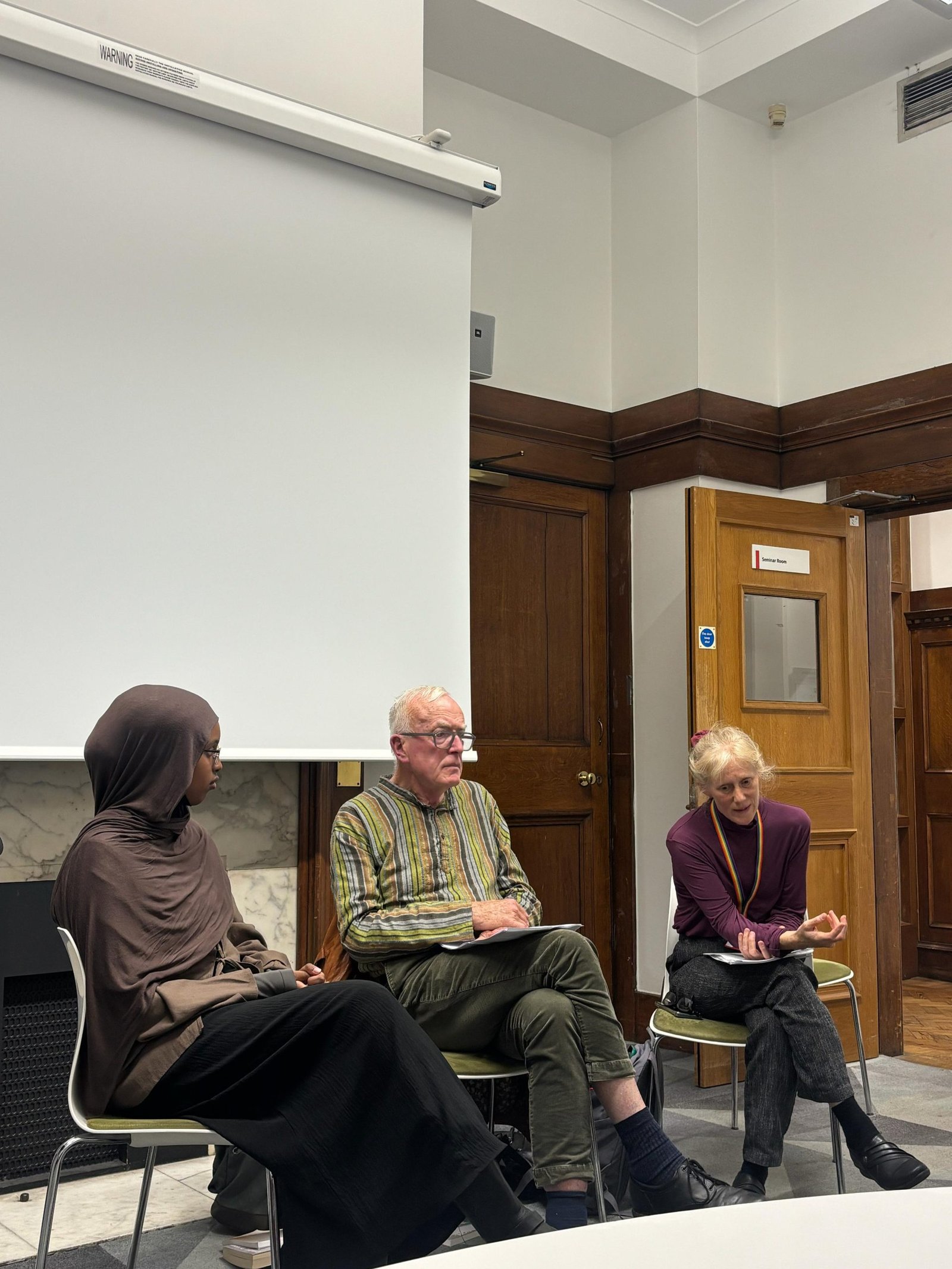
Speaking for the motion was Lord Dominic Johnson (a financier, hedge fund manager and politician who has served as Minister of State for Investment and Co-Chairman of the Conservative Party), Paul Morgan (ex-Director of Communications at Premiership Rugby, who now runs a consultancy), and student speaker Lucas Cadman. Speaking against was Baroness Diane Hayter (a Labour member of the House of Lords and who previously served as Shadow Deputy Leader of the House of Lords), Isabel Blackburn (an Advocacy Officer at Transparency International UK and LSE Alumnus), and LSE student speaker Guglielmo Belingheri.
The debate took place in the wake of controversy over two £36 million donations made to Reform UK in September by individuals who were, until recently, based outside of the UK. Recent discussion about political finance reform in both the US, and the UK, with the “Representation of the People” Bill pending in the latter, made the debate especially topical.
Lord Johnson began the debate, arguing that political donations are simply another way for people to participate in politics, no different to supporting a political party through volunteering or voting. He highlighted the role of donations in preventing the entrenchment of major political parties, by funding new challengers and thereby supporting the dynamic, “frictional” process of political debate. Baroness Hayter challenged this, attempting to draw a difference between small political contributions by ordinary people, and vast sums donated by individuals which can buy influence in policy. She argued that in a system where money counts as free speech, “those with the most money end up with the loudest voice,” thereby blocking attempts to change the status quo.
Rebutting on behalf of the motion, Paul Morgan highlighted the financial cost of restricting political donations, arguing that the British state would have to replace private citizens in supplying the £694 million donated to UK political parties over the last ten years. This was challenged by Isabel Blackburn, who claimed that policies like a £50,000 cap on individual political donations would be without a cost to the state. Blackburn in turn emphasised the damaging effects of political donations occupying politicians time, stating that some American congressmen spend up to 30 hours a week talking to donors. She argued that money in politics can be used to “block access to truth,” and create an “arms race” as parties compete to outraise each other.
The first student speaker Lucas Cadman argued that more weight should be placed on the value political donations bring to the public by funding political organisations and thinktanks that are too niche to receive funding from government, but are important in fostering innovative ideas that can make government more dynamic. He also claimed that the negative impact of political donations can be overemphasised, suggesting that if they truly bought access to government money then we would expect donations to be much higher. Guglielmo Belingeri challenged this framing, citing Bernie Eccleston’s £1 million donation to Labour under Tony Blair in 1997, and its alleged connection to Labour’s exemption of Formula 1 from a tobacco advertising ban later in the year. He highlighted the many ways for people to engage in politics apart from donations, such as protesting and sending letters, while maintaining that when there are political donations being made that amount to several times the median household wealth, free speech is inevitably undermined.
Between speeches, spectators from the floor were invited to make contributions to the debate. One argued in support of the motion that donations give “challengers” a voice in the political process, and that restricting them will lead politics to “self-funders.” Another, opposed to the motion, argued that if donations are fundamental to free speech, then those without resources to donate are by definition speechless, undermining democratic principles.
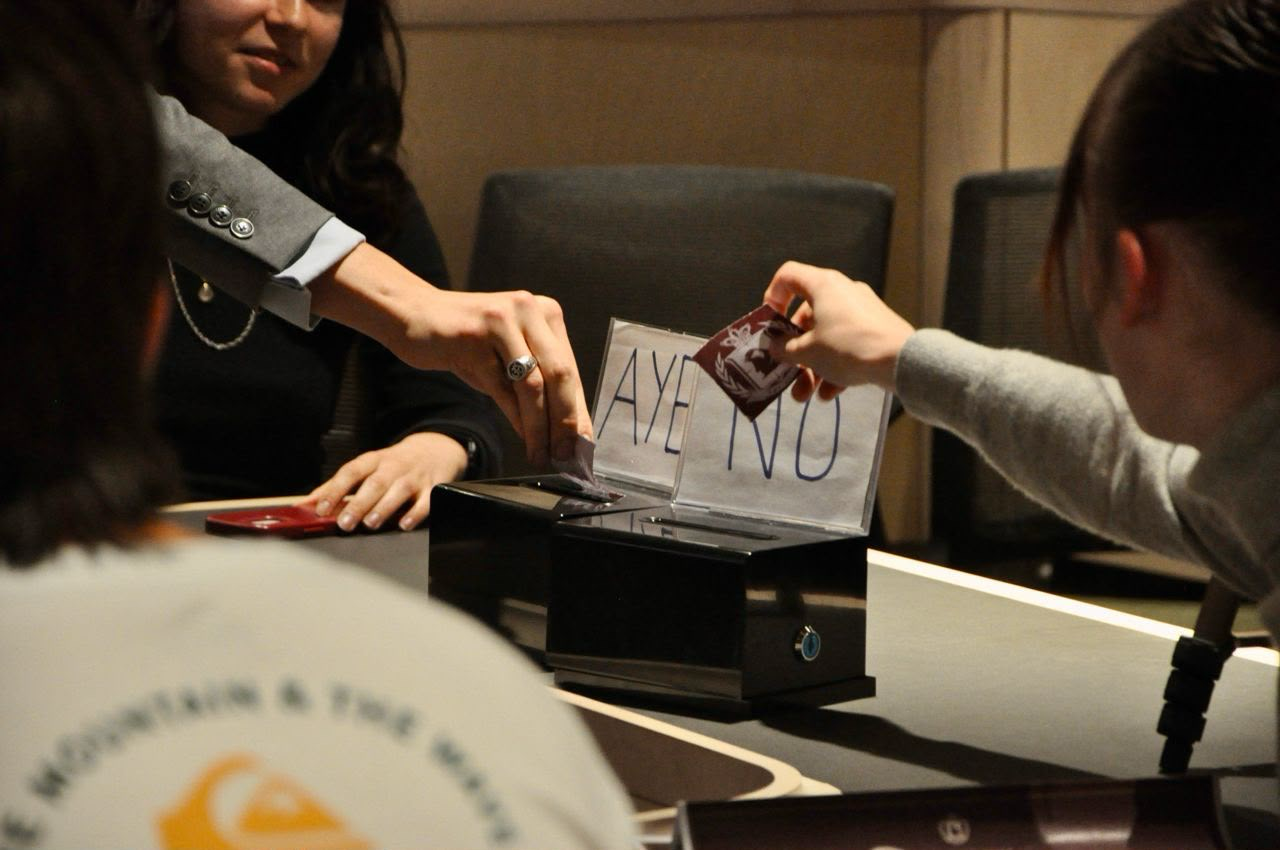
The motion was ultimately defeated 47-23. Following the debate, the Holborn Union stated that it was “delighted with how it went,” with “speeches from invited speakers and the floor alike of a remarkable calibre.” The society drew attention to its upcoming lecture event with Melissa Benn on the 24th November, and invites students to join “whether you are interested in debating, engaging, watching, or simply here for the socials.” Lord Johnson’s message was to highlight that “debating is at the core of speech,” while also being “brilliant fun.” Baroness Hayter complemented the event on being “brilliantly organised,” and expressed satisfaction that “the correct side won.” Paul Morgan stated his hope that regardless of the outcome of the debate, attendees would come away “more engaged” and ready to make “more noise” in politics.